C-01
On the list. Open the list →
Checklist Eighteen airlines, one measured bag list — kit up here, pay on Amazon.com.au at the end
No card fields on this page
The bag desk · 18 carriers on file
Eighteen airlines publish cabin limits, and this shelf carries all of them. Every bag here has been run against the under-seat figures and the overhead ones, in centimetres, before it earned a spot. The list you build finishes at Amazon.com.au — no card fields ever appear on this side.
Limits read October 2026 · prices as first spotted · the payment is Amazon’s side
The checker
Straight from each airline’s public baggage rulebook, read in October 2026. Fares revise them; your booking settles it.
The bag range
The badge tallies how many carriers accept the bag in its class. The maths behind that tally rides on the card.


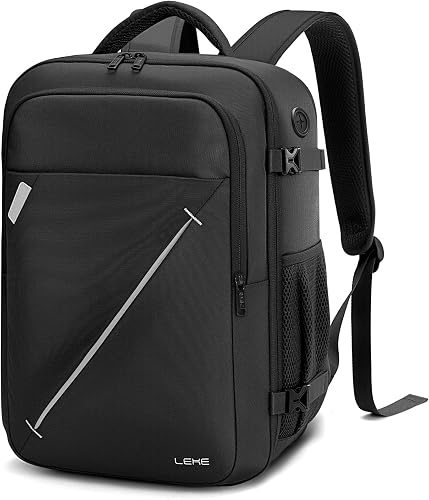
55 × 40 × 20 cm · 44 L
4.9/5


40 × 30 × 20 cm · 24 L
4.9/5
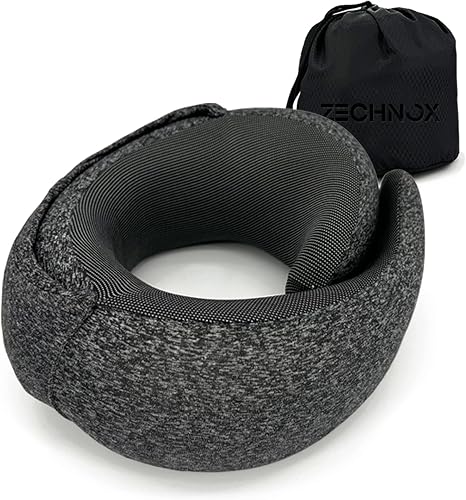
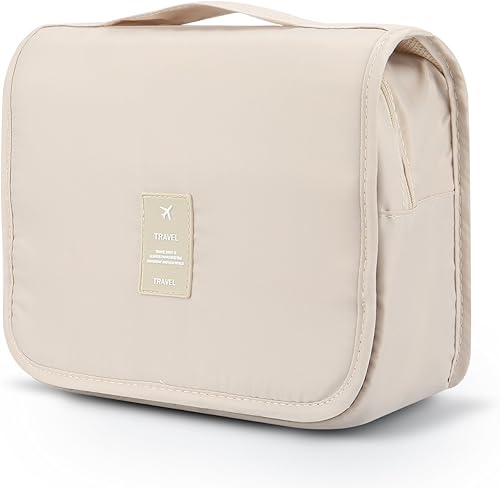
The cabin kit
Packing, wash, power, sleep — ranked purely by buyer ratings, with commission holding no vote.




Carrier notes
The under-seat number, the overhead number, the kilo cap where one is printed — and the bags on these shelves that clear each.
Three moves
Nothing to sign up for on this side, nothing to type in — the money end of the trip lives at Amazon.
Set your carrier in the checker, or open its row in the table. The figure stays pinned to the page as you browse.
Each card has a button that files the item. The list sits in this browser and nowhere else — nothing to register, no confirmation mail.
One press opens Amazon.com.au with the same picks in a cart at your counts. Payment, delivery and returns belong to Amazon from that moment.
Before you order
Every frame is copied off the airline’s own baggage page and stamped with the month it was read. Carriers revise caps — usually alongside a fare change — so the pages here get re-read on a cycle.
Not across devices. The list belongs to the browser it was built in. Finish from that device, or spend a minute re-adding the picks on the other one.
A basket with your picks and quantities, under this site’s associate tag. From the click onward it is an ordinary Amazon checkout — none of it passes back through here.
A list in your own browser, and nothing on our side. No accounts, no profiling, no mail — the privacy page tells the whole story in a screenful.
How the shelves get built
A bestseller list answers a different question. Every bag here answers the one that matters at the gate: does it board — and the arithmetic behind that verdict rides on every card.
Frames and kilo caps come from the airlines’ own baggage rules — never forums, never reseller pages, never guesswork.
Each allowance shows the month it was checked. Airlines move their numbers between seasons more often than people expect.
Amazon ratings set the order. No payout percentage has ever nudged an item upward here — doing so would gut the whole idea.
No card fields, no wallet, no account — the paying half of the trip is Amazon’s.
The funding note. Links out of this page can earn sakulpol a commission from Amazon; it changes nothing on your side of the checkout. What gets listed, and how high it sits, is settled by how things rate and how they fit. The full disclosure.